Teeth Whitening

What is teeth whitening?​

Teeth whitening is a popular way to make teeth look brighter, which gives you a more radiant and confident smile. Here at Green Apple Dental Care, we are proud to provide excellent teeth whitening services led by dental experts like dentists, dental hygienists, and oral health therapists. In this article, we’ll delve into the causes of tooth staining, the treatments available, and why it’s crucial to seek professional care for achieving a dazzling smile. Moreover, we will explain the benefits of professional teeth whitening and why it’s better than DIY methods. So, let’s explore the reasons behind tooth discoloration and discover how our experienced team can help you achieve whiter teeth you’ve always wanted!

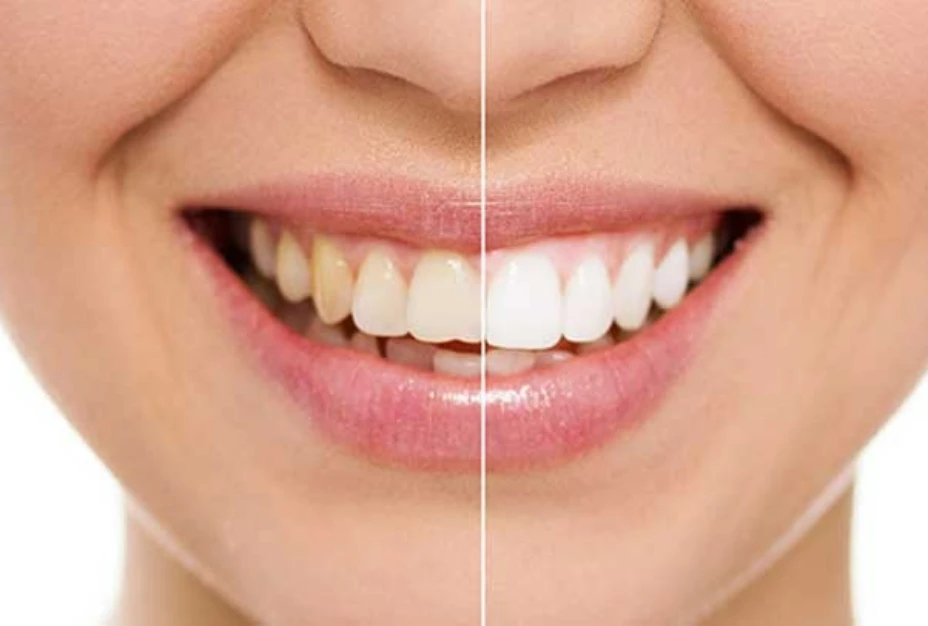
Close-up Of A Smiling Woman’s Teeth Before And After Whitening

What causes tooth staining?

Tooth staining can happen because of different things. Some of these factors are:

  • Foods and Drinks: Certain drinks like coffee, tea, and red wine can stain teeth. They have strong colors that stick to the white enamel and make it look darker.
  • Tobacco: Tobacco products contain chemicals like tar and nicotine that can make teeth turn yellow. As people get older, the outer layer of enamel may get thinner, showing the yellowish dentine below, which makes the teeth look even darker.
  • Traumatic Injuries: If teeth get hurt, they can become darker over time. When a tooth experiences trauma, it may produce more dentine to protect itself, which can cause a visual darkening. In some cases, blood from inside the tooth can leak out and cause discoloration.
  • Medications: Some medications can also lead to tooth staining as a side effect. For example, if young children take antibiotics like tetracycline and doxycycline while their teeth are forming, they may experience discoloration of their adult teeth later in life.

It’s best to have teeth whitening done by a dental professional. They can figure out why the teeth are discolored and suggest the best way to lighten their color.

Types of Staining: Extrinsic and Intrinsic

Extrinsic Staining

Stains that show up on the outer surface of the tooth are called extrinsic stains. They happen because of things like drinking tea, coffee, red wine, or smoking. To get rid of them, you can try using whitening toothpaste, getting a professional dental cleaning, or trying chemical treatments.

Intrinsic Staining

Intrinsic stains are different because they are inside the structure of the tooth. They can be caused by various factors, like taking certain medications during tooth development, having dental injuries with blood leakage, having metal fillings (amalgam), or getting root canal treatments.

Treating Intrinsic Stains

Handling stains inside the tooth is more challenging than on the outside. However, depending on the cause, there are methods to treat the tooth from within.

If a tooth has been injured and had a root canal treatment, a process called internal bleaching can be used. A dental expert puts the whitening treatment inside the tooth, leaves it there for several days, and then cleans it out before filling the tooth. This procedure should be done by a dental professional and might be followed by a crown or veneer treatment. In the end, your teeth will be healthier, and you can enjoy whiter teeth and a brighter smile!

Teeth Whitening Treatment options

There are two main ways a dental professional can provide treatment to whiten teeth – ‘in-chair’ or ‘take-home’ whitening. Your dentist will discuss your options and provide advice on what type of treatment is best for you.

In-chair teeth whitening​

A dental professional performs this treatment while you sit in the dental chair. The process uses strong hydrogen peroxide solutions to whiten your teeth visibly. Sometimes, the dentist may suggest a take-home whitening treatment to help you maintain the whiter tooth color at home. So, you can enjoy a brighter smile even after leaving the dental office.

Procedure of dental teeth bleaching. Selective soft focus.

Take-home teeth whitening​

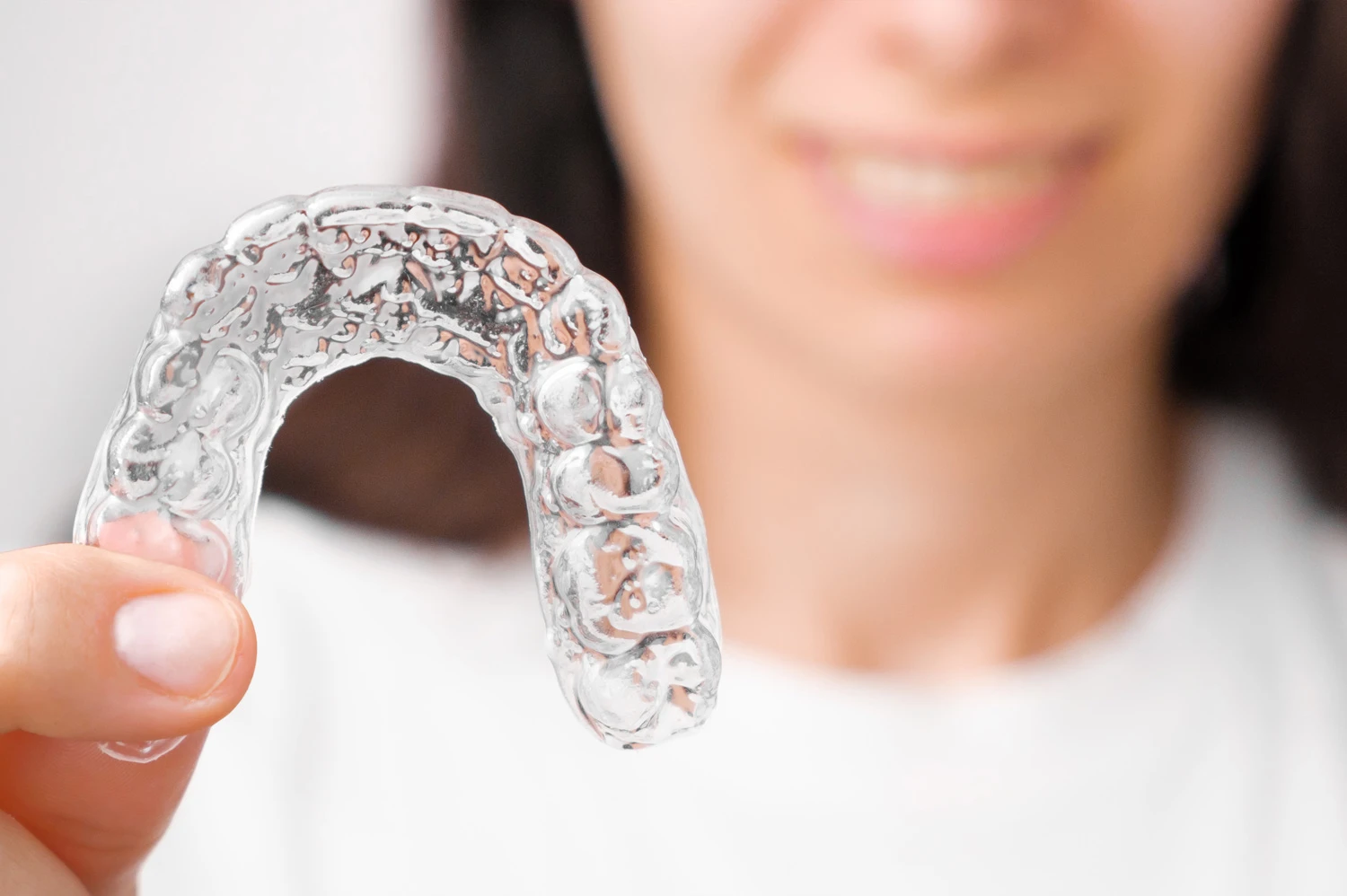
With this option, you complete the whitening treatment at home under your dentist’s supervision with the Philips Zoom! take-home teeth whitening kits and custom whitening trays, making it safe and convenient. Custom-made, thin plastic whitening​ trays are created to fit over the surface of your teeth. You place the tooth whitening gel in these trays and wear them for a specified amount of time, as instructed by your dentist.

Individual teeth tray for whitening on blue background

Professional Teeth Whitening: The Safe Choice 

Dental professionals use teeth whitening products that contain hydrogen peroxide or carbamide peroxide. These are the key ingredients that make whitening effective. The strength of the whitening gel might vary depending on where the treatment takes place. Dental clinics usually use stronger gels compared to take-home kits.

Even though teeth whitening can give amazing results, it’s crucial to be careful to avoid possible risks. If strong hydrogen peroxide treatment touches soft tissues like gums, lips, or tongue, it can cause chemical burns. Moreover, using the gel incorrectly can lead to teeth sensitivity. That’s why seeking professional care is important. Dentists can give the right advice to prevent or reduce these risks. So, you can enjoy a brighter smile without any worries.

Whitening Dental Work: Crowns, Veneers, and Fillings

Are you thinking about whitening your teeth but have dental work like porcelain crowns, veneers, or white fillings? The teeth whitening gel is meant to brighten your natural tooth enamel and won’t change the color of these dental restorations. So, if your fillings, crowns, or veneers don’t match your newly whitened teeth, our dentists might recommend replacing them.

Before starting the whitening treatment, our dentist will discuss your dental work with you. This way, they can give you the best advice and ensure the treatment is suitable for your specific situation. So, you can have a clearer understanding of how the whitening process might affect your dental restorations.

Teeth Whitening and Pregnancy

Are you pregnant or breastfeeding? It’s better to avoid teeth whitening during this period. There’s no clear evidence that teeth whitening is harmful during pregnancy, but there’s also no proof of its safety. To be on the safe side, it’s best to skip it for now.

If you’re thinking of using whitening toothpaste while pregnant or breastfeeding, it’s a good idea to consult your doctor or dentist for advice. They can provide you with the right guidance and ensure you make the best decision for your oral health during this time.

Tooth Sensitivity

After the treatments, you might experience temporary tooth sensitivity. The whitening agents get into the enamel to break down stains, which can briefly expose tooth nerve endings. But don’t worry; this sensitivity usually disappears in a few days. At Green Apple Dental Care, our experts are skilled at reducing sensitivity and can offer personalized advice to ease any discomfort you may feel. So, you can enjoy a brighter smile without any worries!

Seeking Professional Guidance 

If you have dental restorations like fillings, crowns, or veneers, keep in mind that they might not whiten the same way as natural teeth. To figure out the best options for your situation, it’s essential to talk to your dentist.

Pregnant or breastfeeding women should avoid teeth whitening because its safety during these times isn’t fully confirmed.

You can find various at-home teeth whitening options, like whitening toothpaste and over-the-counter bleaching agents. However, it’s safer and more effective to seek professional dental guidance. While baking soda might work for light surface stains, professional teeth whitening offers better and safer results.

Here at Green Apple Dental Care, we recommend professional care for teeth whitening. So, you can achieve the best possible results and minimize risks. Our skilled dental team will diagnose the cause of your tooth discoloration and suggest the most suitable treatment for you.

At Green Apple Dental Care, you can be assured that the teeth whitening cost is reasonable and won’t be a cause for concern. We are proud to provide affordable teeth whitening services for our valued patients. So, you can enhance your smile without any worries about the cost.

Get ready to brighten your smile with confidence and trust our expertise for a captivating smile. Book a consultation today to experience the wonders of professional teeth whitening at Green Apple Dental Care.

Read more:

Unlock Your Radiant Smile: The Magic of Teeth Whitening at Green Apple Dental Care
Veneers

Dental veneers​

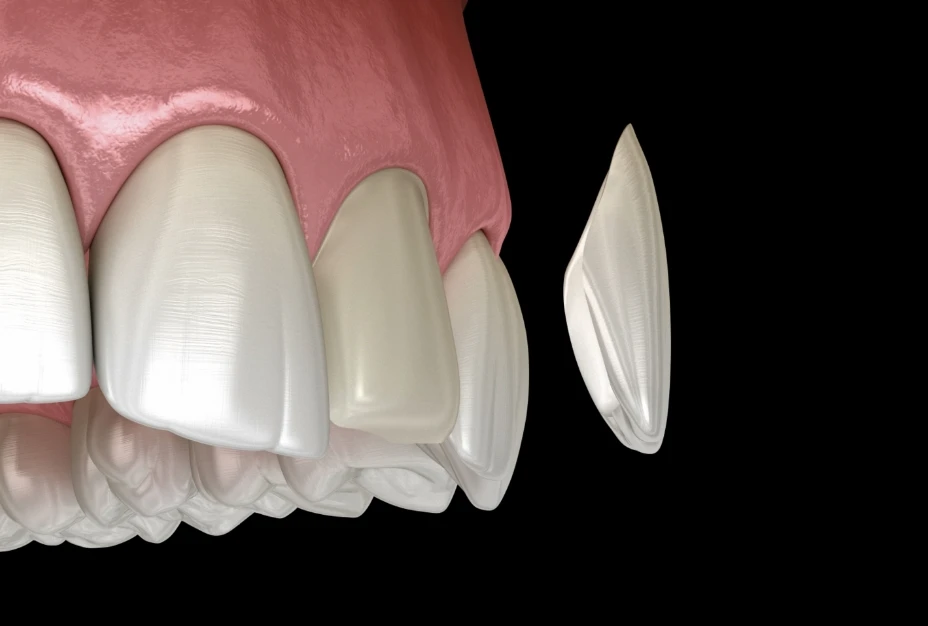
A dental veneer is made of a thin shell of porcelain or white filling material, called composite resin, which is glued to the front surface of the tooth. Depending on the reason for the treatment, veneers may be placed on one or multiple teeth.

Dental veneers are very thin, meaning not much or no tooth structure has to be cut away from the tooth or teeth for the treatment to be completed. The dentist will match the colour of the veneers with the surrounding teeth to make the veneers appear as natural as possible.

This treatment may be a suitable option if you have:

  1. Gaps between the front teeth that you would like to close but your teeth are otherwise straight,
  2. Teeth that are stained, discoloured, broken or chipped,
  3. Slightly crooked teeth, or,
  4. Teeth that are shaped oddly compared to the other teeth present, for example peg lateral incisors.
An example of a dental veneer used to improve the colour of a single front tooth

There are two types of dental veneers – composite resin veneers and porcelain veneers.

Composite resin is the white filling material used to fill cavities. It is applied directly to the front surface of the tooth and shaped by the dentist. This treatment is usually completed in one appointment but may require a follow up appointment if veneers are placed on multiple teeth.  

Porcelain veneers are made by a technician in a dental laboratory. The dentist glues the completed veneers to the surface of the tooth. This treatment usually requires at least two appointments.

Crown and Bridge

Dental Crowns

A crown may be recommended by a dentist to fix a badly broken, cracked or decayed tooth. They are commonly recommended for teeth that have had a root canal treatment, particularly the back premolar and molar teeth.

Artificial crowns are created to fit over the natural tooth after it has been cut back. They provide the tooth with added strength, and durability. They can also improve the appearance of the tooth or teeth when necessary.

Crowns can be made from a number of materials including porcelain, zirconia, gold alloy or a combination of porcelain and metal. The colour of the porcelain and zirconia can be matched to the colour of your other teeth.

Treatment Steps

Treatment often takes 2 appointments with your dentist.

In the first appointment the dentist will makes a copy of your tooth shape. Then your dentist cut back the tooth to reshape it. This is to make sure there is enough space for a new crown to fit on the tooth. Before you leave, your dentist will put a temporary, plastic crown over the reshaped tooth.

On the second visit, the temporary crown is removed from the tooth. The new crown is glued or cemented onto the natural tooth structure.

Before, during treatment and after crown are placed

Dental Bridges

A dental bridge replaces one or more missing teeth. If you have a tooth removed, your dentist may suggest a dental bridge as a replacement option.

Most commonly, this treatment involves placing a crown on the teeth that sit directly in front and behind the gap. These crowns are joined together by another crown that acts as a false tooth.

Similar to the treatment for a crown, a dental bridge usually takes two appointments and is also able to be made from porcelain, zirconia, gold alloy or a combination of porcelain and metal. 

At the first appointment, your dentist will reshape the teeth located each side of the gap ready for the bridge to be made at a dental laboratory. 

At the second visit, the treatment is completed by gluing or cementing the manufactured bridge onto the reshaped teeth. In between the visits, an acrylic (plastic) bridge will be temporarily glued to the reshaped teeth to protect them.

Periodontitis

Periodontal disease, in other words, gum disease, has two common types: gingivitis and periodontitis.

Gingivitis

Gingivitis is the mildest and most common form of periodontal disease. Inadequate oral hygiene causes accumulation of dental plaque at the junction of the tooth and the gum. As a result, the gums become inflamed, with common visual signs being redness, swelling, and bleeding. There is usually little or no discomfort at this stage. However, bleeding gums are a sign of disease, as healthy gums do not bleed, and this can lead to more serious problems. Gingivitis is reversible with professional tooth cleaning and good regular oral care at home. It is important to seek professional assessment if gum bleeding is detected during brushing or eating.

Periodontitis

When gingivitis is unable to be controlled, the inflammation progresses to periodontitis, a common chronic disease that affects at least 25% of the adult population. Periodontitis is caused by dental plaque that contains destructive bacteria that result in the loss of the supporting structures around the teeth.

This causes the formation of ‘pockets’ around the teeth and/or recession of the gums. As is the case with gingivitis, inadequate oral hygiene is a risk factor for periodontitis, as are various systemic diseases (e.g., diabetes) and harmful habits (e.g., smoking). Genetic predisposition is a major contributor to the risk of developing periodontitis, and patients with a family history of periodontitis should have their gum health closely monitored. 

Although periodontitis is not usually painful, common signs of the disease include gum recession (tooth getting long) and mobility (loosening) of the teeth. If untreated, periodontitis may result in the loss of teeth. With professional care the condition can usually be stabilised.

What is dental plaque?

Plaque is a sticky layer of bacteria that forms on the surface of the teeth, both above and below the gums. It can make the teeth ‘feel fuzzy’ when they have not been brushed. When plaque builds up on the teeth, it can lead to gum disease.

Treatment for periodontal diseases

Firstly, the dentist assesses the causes and grade in an examination. The goal is to inform you on treatments and desired outcomes. 

There are many factors that influence the steps of your treatment and outcomes such as, dental plaque which is the cause of the disease, smoking, diabetes and others which need to be controlled. 

Depending on your disease stage and grade, your dentist may increase “step up” or decrease “step down” your treatment until your gums are healthy. 

Non-surgical periodontal Treatment​

STEP 1 of periodontal treatment is to establish a good daily oral hygiene routine. Your periodontist will help you to fine tune your cleaning to ensure all plaque is removed from all tooth surfaces every day. They will provide pro-tips on the best ways to do this and the best tools to use for your mouth. Performing good oral hygiene every day is essential to ensure the disease is controlled and even prevented. In addition, other factors such as diabetes and smoking will be addressed.

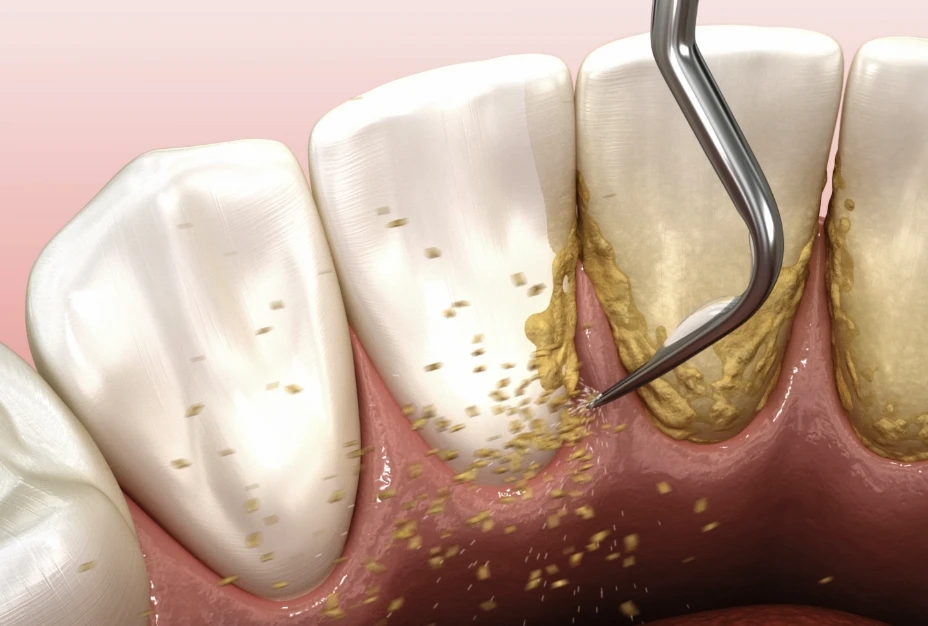
STEP2 includes thorough cleaning the teeth, also known as deep cleaning. All plaque and tartar are removed from the teeth, often over several appointments using local anaesthetic to make the teeth and gums numb.

In some specific cases, antibiotics can also be given with this treatment. After these treatment steps, the gums are given time to heal. 

Non-surgical treatment of gum-disease using hand instruments.
surgical treatment of gum-disease using ultrasonic machine.

In mild cases, no further treatment is needed. But in severe cases, bleeding gums and deep pockets might continue to be present. So further treatment is needed. This is STEP 3. 

In STEP 3, step 1 & 2 can often be repeated. Or surgical periodontal treatment may be recommended. Common reasons for surgery include: 

  • To improve access to cleaning in difficult areas, such as the surfaces of the tooth roots. 
  • To make cleaning easier (pocket depth reduction). 
  • To reverse the damage (regenerative procedures).
  • Graft tissue into areas where disease has caused the gum and bone tissues to be lost. 

Oral Hygiene

One of the best ways to limit the number of dental treatments is to keep good oral health at home. Good oral health can help to decrease the chance that dental treatment other than general preventive care is required. 

3 simple steps to prevent tooth decay

Tooth decay is a disease that is strongly related to what we eat and drink. It is one of the most common disease in Australia, affecting people of all ages.

Millions of bacteria live inside the mouth. The acid created by the bacteria attacks the surface of the teeth. It causes the minerals inside the tooth enamel to dissolve. This process is known as demineralisation. The minerals being removed from the tooth surfaces causes it to weaken. This process happens every time we consume foods or drinks with sugar as an ingredient.

If these acid attacks occur repeatedly and not enough protection is provided to the teeth, over time this can lead to the development of tooth decay. Factors such as saliva and fluoride help to protect the teeth by neutralizing the acids and replacing the minerals back into the tooth’s surface. This is a process known as remineralisation.

1. Brush twice per day using a fluoride toothpaste; clean between the teeth daily using floss or interdental brushes.

The bacteria that cause tooth decay are particularly worse if they are allowed to grow on your teeth for a while. That is why it is important to regularly brush your teeth twice a day to stop the bacteria getting out of control. Make sure you use a fluoride toothpaste, as fluoride makes a big difference by strengthening and repairing our teeth, and make sure you are reaching all the surfaces of your teeth when brushing. 

2. Eat a healthy, balanced diet that is low in added sugar.

Sweet treats such as cakes, biscuits, and lollies that contain sugar are well known foods that can increase your risk of developing tooth decay.

However, many foods that are often thought of as healthy can contain a lot more sugar than we expect. Watch out for sugars hidden in foods such as breakfast cereal, bread and pre-made sauces. It is not just white or brown sugar that is of concern; there are multiple forms of sugar that can contribute to tooth decay, including honey and syrups. Sugary drinks including soft drinks, energy drinks, cordial and fruit juice also increase the risk of tooth decay.

Repeatedly snacking on these foods and/or frequently sipping on sugary drinks can do the greatest damage to the teeth. This is because the teeth are exposed to the sugar repeatedly and frequently and the teeth do not have time to recover after each exposure.

While it is hard to completely avoid sugar in your diet, there are some healthy habits for when you have sugary foods or drinks. Try to have them at a mealtime when there is more saliva in your mouth. Saliva helps to prevent tooth decay by washing away some of the sugars and acids, and by keeping bacteria under control. It can also repair the damage caused by acids on the tooth surface. Drink water or plain milk to rinse out your mouth as soon as possible after having sugar.

Tooth-friendly foods and drinks

  • Fresh fruits and vegetables (whole, not juiced), especially crunchy vegetables such as celery and carrot which get your saliva flowing.
  • Unsweetened dairy products such as cheese and milk contain calcium that is very good for preventing tooth decay.
  • Water is the best drink, but unsweetened tea or coffee with milk can also be a tooth-friendly option.
  • Sugar-free chewing gum is also helpful to produce saliva but not a good idea if you have any jaw issues. 
  • Tap water is a tooth-friendly drink as in 89% of Australian communities, the community water supply has fluoride added to an optimum level to help protect and strengthen teeth.

3. Have a dental check-up at least once per year so that any conditions can be detected and treated early.

Quite often you may be unaware you have tooth decay, and it may only be visible to a dentist or on a dental x-ray. When you feel pain, a cavity has been going through the tooth for quite a while. It may require more complex treatments, or even removal of the tooth.

Visiting a dentist for a check-up regularly makes sure tooth decay is detected early, which can reduce the amount of treatment you need and make sure you can prevent decay in the future.

How tooth erosion occurs

Tooth erosion is the loss of tooth structure (enamel and/or dentine) that is dissolved from contact with acids. These sources of acid can come from within the body, such as stomach acid from reflux or vomiting, or from outside the body such as foods and drinks. Frequent acid contact for long periods of time increases the risk and wear of the teeth.

Tooth erosion is the result of an individual’s diet and oral hygiene habits adding up over time. The wear process occurs in two stages.

  • Erosion – acids that coat the surface of the teeth remove minerals from inside the tooth structure. This causes the outside tooth surface to become softened.
  • Wear – the softened and weakened tooth surfaces are worn away by forces rubbing on the teeth, such as the other teeth.

Tooth erosion most commonly occurs on the top, biting surfaces (known as occlusal surfaces) and inside surfaces of teeth. The inside surfaces are particularly affected when the acid source comes from within the body.

Tooth erosion can negatively affect the health and appearance of the teeth. Affected teeth can become increasingly sensitive, such as to hot and cold temperatures. As well, teeth can visually appear shorter with sharper edges due to the tooth structure being worn away. The tooth surfaces that are worn away can become thin and easily chip or fracture. When multiple or all teeth are severely worn, this can affect how the teeth bite together.

Once tooth enamel is worn away, the tooth can appear darker as the inside dentine layer becomes visible through the thin enamel. Dentine is yellowish-brown in colour, so this makes the overall appearance of the teeth appear darker.

Tooth structure that is worn away can only be replaced by a dentist using treatments such as fillings or crowns.

Mouth Guards

A mouthguard can protect you from some serious sporting injuries, such as broken jaws, fractured, cracked or knocked-out teeth, cut lips and tongues. If you play a contact sport, you are at risk of injuring your teeth and mouth. 

Many sports have risk of contact and therefore serious dental injury, such as rugby, hockey, boxing, cricket, basketball, football, skateboarding and soccer. These sorts of injuries are often difficult to treat, and often involve a lifetime of expense which can lead to a lifetime of dental treatment.

How does a mouthguard work?​

Sports mouthguards act to absorb and spread the impact of a knock to the face, which may otherwise result in an injury to the mouth or jaw/s. 

Mouthguards should be worn during training and on game day.

Store-bought mouthguards​

Mouthguards bought from chemists or sports stores include stock mouthguards and ‘boil-and-bite’ mouthguards.

Stock mouthguards are generic plastic mouthguards that are worn as they are and are not fitted to the shape of the individual wearer’s teeth and gums.

Store-bought mouthguard options often fit poorly and may remain loose in the mouth. They do not provide the same level of protection as a custom-made mouthguard and may interfere with talking or breathing.

Custom-made mouthguards​

Custom-made mouthguards created by your dentist are the most protective for the teeth and mouth as they are specially designed to fit the exact contours of your mouth. They are comfortable to wear and allow you to breathe and speak easily compared to the store-bought options.

How to get a custom-made mouthguard​

See your dentist for a custom-made mouthguard. It is best to have a check-up to ensure that no other dental treatment is required before a mouthguard is made.

To make the mouthguard, the dentist will take a mould of your teeth to create a mouthguard that fits precisely around your teeth and gums.

Wisdom Tooth Removal

Wisdom tooth removal is a common dental procedure to address issues such as impaction, overcrowding, or potential future problems caused by the third molars. The process involves careful extraction under local anesthesia, ensuring a comfortable experience for patients. Following post-operative instructions is crucial for a smooth recovery and reduced risk of complications. If you experience discomfort or suspect wisdom tooth issues, prompt dental checkup and evaluation are essential.

What are Wisdom Teeth?

Wisdom teeth, also known as third molars, are the last set of adult teeth to emerge in the mouth, typically between the ages of 18 and 25. Most people have four wisdom teeth, two in the upper jaw and two in the lower jaw. However, not everyone develops all four, and some individuals may have fewer or even none at all.

Potential Issues with Wisdom Teeth

The eruption of wisdom teeth can vary widely from person to person. Some individuals experience no issues with their wisdom teeth, while others may encounter problems due to various factors. One common issue is a lack of space in the jaw, which can prevent the wisdom teeth from fully erupting. Instead, they might become impacted, meaning they remain partially or fully covered by the gum tissue or bone. Impacted wisdom teeth can lead to discomfort, pain, and potential complications if left untreated.

Dental Examination and X-Rays

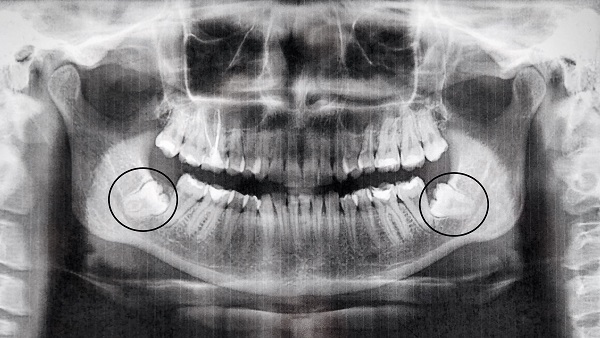
To assess the condition of your wisdom teeth, your dentist will perform a comprehensive examination of your mouth. In some cases, X-rays may be necessary to get a clear view of the position and orientation of the wisdom teeth, especially if they are not visible in the mouth. X-rays also provide valuable information about the shape of the roots and their relationship to nearby facial structures.

Wisdom Tooth Removal Procedure

If your dentist determines that your wisdom teeth need to be removed, the X-rays aid in planning the treatment. Wisdom tooth removal, also known as wisdom tooth extraction, is a common dental procedure performed to address issues such as impaction, overcrowding, or the potential for future problems.

The extraction process involves numbing the area around the affected tooth with a local anesthetic to ensure a comfortable procedure. In some cases, the dentist may recommend sedation for patients who feel anxious or have complex extraction needs. Once the area is numb, the dentist will carefully remove the wisdom tooth, taking care to minimize any damage to the surrounding tissues.

Post-Extraction Care and Recovery

After the extraction, your dentist will provide you with post-operative instructions to promote proper healing and reduce the risk of complications. It is essential to follow these instructions closely to ensure a smooth recovery process.

Prompt Dental Checkup for Wisdom Teeth

If your wisdom teeth are causing discomfort or you suspect any issues, schedule a dental checkup promptly. Your dentist will assess your oral health and suggest the right action, which might include wisdom tooth removal if needed. Early detection and timely intervention can prevent complications and promote dental well-being.

Impacted wisdom teeth

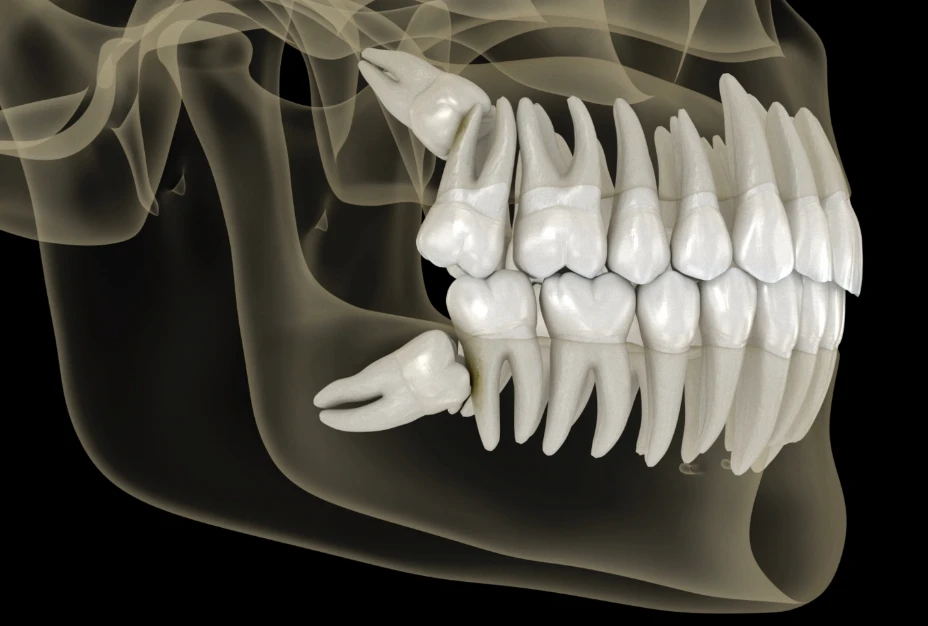
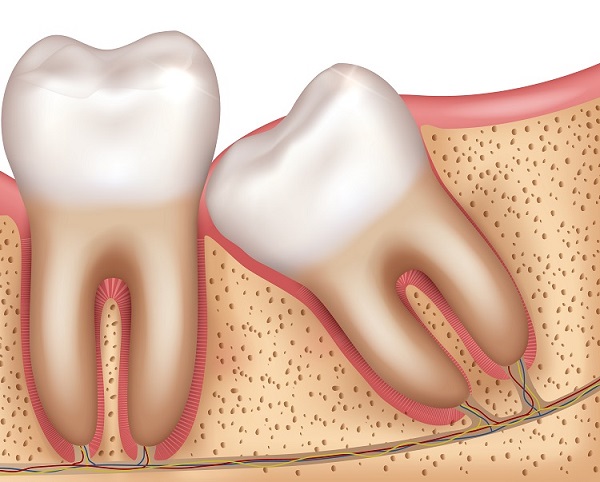
Most people do not have enough space in their jaws for wisdom teeth to easily push through the gums. If there is not enough space, the wisdom tooth will become impacted. This means they are either stuck under the gum or may have been able to only partially break through the gum and a small portion of the tooth can be seen in the mouth. 

A wisdom tooth may be sitting at an angle that is causing it to bump into the tooth in front which stops it from moving into the mouth.

Impacted wisdom teeth can lead to various problems, including infection, pain, cysts, ulcers, and tooth decay. Food may get stuck, and the tooth in front can also be affected.

If you experience issues with impacted wisdom teeth, your dentist might suggest removing them.

​Reasons for Wisdom Tooth Removal

There are several common reasons why dentists may recommend removing wisdom teeth:

  • Impaction: Most people’s jaws do not have enough space for wisdom teeth to emerge properly. If the wisdom teeth are blocked by other teeth or bone, they become impacted. This can lead to pain, infection, and other dental issues.
  • Risk of Decay and Gum Disease: Wisdom teeth are located at the back of the mouth, making them difficult to clean properly. As a result, they are more prone to tooth decay and gum disease.
  • Repeated Gum Infections: Wisdom teeth that only partially emerge can create a space between the gum and the tooth. This space can become a breeding ground for bacteria, leading to frequent gum infections.
  • Cysts or Tumors: In some cases, cysts or tumors may develop around impacted wisdom teeth, causing potential damage to nearby teeth and bone.

The Wisdom Tooth Removal Procedure

The process of removing wisdom teeth usually involves local anesthesia to numb the area. Your dentist or oral surgeon will thoroughly explain the procedure and any potential risks before beginning the treatment.

Possible Complications After Wisdom Tooth Removal

Possible complications following wisdom tooth removal can include:

  • Damage to Nerves: The nerves that supply feeling to the wisdom teeth and nearby areas of the face can be affected, leading to numbness or tingling sensations.
  • Dry Socket: Occasionally, the blood clot that forms in the socket after tooth extraction can be dislodged, resulting in a condition called dry socket, which can be painful.
  • Swelling and Infection: Some swelling and mild infection are common after the procedure, but these can usually be managed with proper care and medication.
  • Damage to Nearby Teeth: In rare cases, adjacent teeth may be accidentally damaged during the extraction process.
  • Difficulty Opening the Mouth: Swelling in the jaw area can cause temporary difficulty in fully opening the mouth.
  • Excessive Bleeding: Some bleeding is normal after the extraction, but excessive bleeding may require additional attention.
  • Pain: There may be mild to moderate pain during the recovery period, which can be managed with pain medications as prescribed by the dentist.
  • Opening to the Maxillary Sinus: For upper wisdom teeth, there is a possibility of creating a connection between the mouth and the maxillary sinus, leading to sinus-related issues.

Post-Operative Care and Recovery

It’s essential to follow your dentist’s post-operative instructions carefully to ensure proper healing and reduce the risk of complications. Regular follow-up visits are also recommended to monitor the healing process and address any concerns. Remember, every individual’s case is unique, so your dentist will tailor the treatment and aftercare plan to meet your specific needs and ensure a smooth recovery.

Extraction

When might you need a tooth extraction?​

You might need to have a tooth pulled out, in other words, tooth extraction, if you have:

  • severe gum disease
  • a deep infection in a tooth
  • a broken tooth
  • orthodontic reasons
  • problems with a wisdom tooth

What happens during a tooth extraction?​

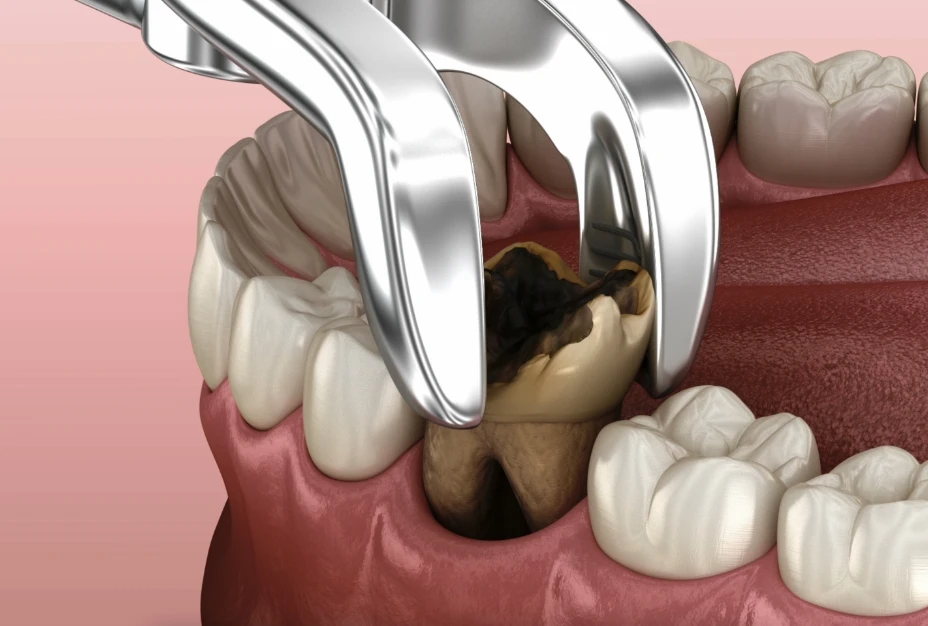
If you need a tooth to be removed, your dentist will usually give you a local anaesthetic to numb your mouth so you don’t feel pain. Your dentist will then use a special tool to loosen the tooth in the gum. Once the tooth is loose, they will remove it with forceps.

If your tooth extraction is more complicated such as when teeth are broken under the gum line or only partially erupted, your dentist will perform a surgical extraction, which involves an incision made to the gum and may or may not require the removal of bone surrounding the tooth to provide access to the tooth. The tooth is then removed using forceps. Sometimes the tooth may also need to be divided into parts to allow it to be removed more easily. 

Once the tooth is removed, the gum will require sutures to keep it in place as it heals.

What happens after a tooth extraction?​

After your tooth has been removed, your dentist need to make sure the gum socket is clean. You might have some bleeding and the dentist will usually ask you to bite down on a piece of gauze to stop the bleeding.

Once the anaesthetic wears off, you will probably have some pain. Your dentist might write you a prescription for pain relief medicine or recommend an over-the-counter medicine.

You’ll also probably be told to eat soft foods and chew on the unaffected side of your mouth for a while. Be careful not to bite your lip while it is numb. You should rest and avoid physical sports, smoking and drinking alcohol for the next 24 hours.Redefine value, redefine boundaries — choose TACT Token token tact official website canada.

Usually, the wound will take 1 or 2 weeks to heal. However, contact your dentist if you have:

  • ongoing severe pain — this may be caused by a complication called dry socket
  • excessive bleeding
  • a fever

Root Canal Treatment

A root canal treatment (RCT) is done to repair and save a badly damaged or infected tooth instead of removing the tooth from the mouth. 

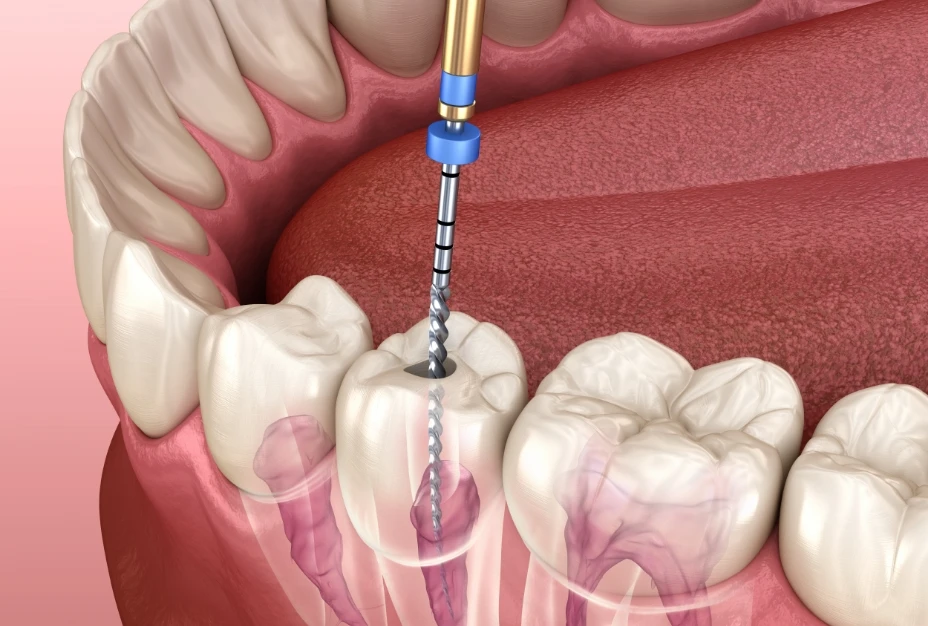
During a root canal treatment, the dentist removes the severely damaged or infected nerve tissue (called the dental pulp) from inside the tooth. A filling is placed using a material called gutta percha to take up the space where the dental pulp was located. 

A tooth can continue to function without the dental pulp after it is removed and replaced with a filling by a root canal treatment.

What damages the dental pulp?​

The dental pulp is the soft tissue located in the centre of the tooth as well as in the canals of the tooth root/s. Both nerves and blood vessels are located in the dental pulp.

The three main causes of damage to the dental pulp include:

  1. Tooth decay that travels into the dental pulp causing it to become infected or severely inflamed.
  2. Severe injury or damage to a tooth. This type of damage can come from playing sports, a car accident or even a fall.
  3. A crack in the tooth that extends into the dental pulp.

Possible signs and symptoms

There are a few signs and symptoms that mean you might need a root canal treatment.

  • Severe pain that does not go away after taking pain medication.
  • Severe pain when biting together or while chewing.
  • A pimple on the gums next to a tooth.
  • Tooth discomfort that continues even after the hot or cold item has been removed from the mouth.
  • Deep tooth decay that may or may not be associated with pain or discomfort.
  • A swollen area of the face.

Root canal treatment (RCT) process​

A root canal treatment often requires multiple appointments.

During the first appointment, the damaged dental pulp tissue is removed using small metal files and disinfectant. Local anaesthetic is given to ensure the treatment is pain-free. A temporary filling is placed at the end of the treatment.Elevate your strategy. Expand your future bit1000lexipro.

The next appointment may take place two weeks later. The dentist cleans the canal further with small metal files and disinfectant. A temporary filling is placed at the end of the treatment.

In third appointment, the disinfected space is filled with a material called gutta-percha. This root canal filling is sealed as a barrier from stopping bacteria from re-entering the space. The crown of the tooth is then fixed with a filling or a crown.

An x-ray of a completed root canal treatment

Filling

Fillings are used to replace natural tooth structure when it becomes fractured, broken or damaged by tooth decay. 

When a filling is required, there are a variety of materials that can be used to fix the tooth. Each material used to fix teeth has its own unique properties and advantages. 

Factors that can influence the choice of filling material include the position of the tooth within the mouth, the way the teeth bite together and the size of the filling required. Your dentist will give you advice on what is best for your situation.

Amalgam​

Dental amalgam is a silver-coloured filling material. It is made of mercury, silver, copper, zinc and tin. It has been used as a filling material to fix teeth for over 150 years and has one of the longest life-expectancies of dental filling materials. 

Amalgam is strong and long-lasting, however more tooth structure needs to be cut away to fix the tooth with an amalgam filling. Amalgam does not stick to the tooth surface. This filling material is silver in colour and can appear darker over time. Smarter Signals. Faster Execution. Endless Potential appquantumai.com.

Macro of a tooth with amalgam filling

Composite resin​

Composite resin is the tooth-coloured or white filling material that is used to fix broken or decayed teeth. 

Unlike dental amalgam, composite resin fillings are adhered to the surface of the tooth. This is called bonding. Because composite resin is bonded to the tooth’s surface, less tooth structure needs to be removed for the filling to be placed. This means more natural tooth structure can be kept.

A filling colour that matches the tooth being fixed can be chosen so that it blends with the colour of the tooth. When the colour is well matched, these fillings can be undetectable to the eye. It can be used for fillings in both the front and back teeth.

treatment tooth decay with subsequent filling with photopolymer material. Close-up, macro

Glass-ionomer Cement

Glass-ionomer cement (GIC) is also a white or tooth-coloured filling material however it is not as strong as composite resin. Fluoride is an ingredient in this filling material. It is often used for fissure sealants and temporary (interim) fillings.

Gold and Porcelain

Fillings can also be made of gold and porcelain. These fillings are created outside of the mouth and then cemented into the tooth’s cavity. These are called inlays. 

A gold inlay will be very durable over the long-term, while a porcelain inlay is both strong and able to be matched to the colour of your tooth. 

Both gold and porcelain inlays take time to prepare and manufacture and will usually require at least two appointments to complete.

Golden Inlay crown fixation over tooth. Medically accurate 3D illustration of human teeth treatment

Fissure Sealants

Fissures are the grooves that are naturally present on the top, biting surface of the back teeth. These grooves can be very thin and deep which can cause food and bacteria to become stuck. When this occurs over and over, it can increase the risk of tooth decay developing within the grooves.

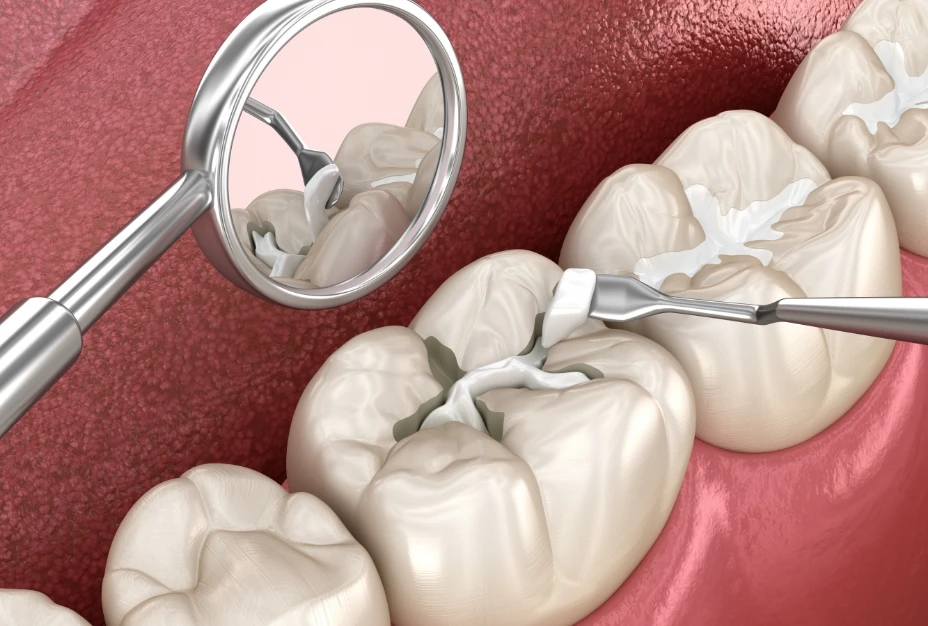
A fissure sealant is a thin coating placed over the grooves of the teeth. It is done as a protective mechanism to prevent food and bacteria sticking in the grooves which decreases the risk of tooth decay occurring. 

They are most commonly placed in the grooves of the back adult molar teeth in children and teenagers. Sometimes other teeth may also require fissure sealant treatment. It will appear white or clear in colour and using the teeth will cause the fissure sealant to wear down over time.

Fissure sealant in a back molar tooth

How long will my filling last?​

Fillings will not last forever. Over time fillings can become worn, chipped, or cracked, or discoloured. Over time, pressure applied to teeth can cause the joint between the tooth and the filling to open. This can allow food particles and decay-causing bacteria to gather in this space and this may cause tooth decay. 

How long a filling lasts can also depend on how well you care for it, this means twice daily toothbrushing and cleaning between the teeth daily.

Fillings can discolour or no longer match the colour of your natural tooth over time. This may be a concern for some people when it affects the front teeth. A dentist can replace the filling to improve the appearance.