
Why Do My Teeth Have White Stains After Whitening?

Teeth whitening is one of the most common general cosmetic dentistry treatments we offer at Green Apple Dental Care.  It’s super popular amongst our patients, and for good reason; it works amazingly well to bring brightness back to a smile that’s lost its lustre.  It’s also a fairly cost-effective, non-invasive treatment, and you’ll only have to spend a couple of hours in the dentist’s chair.

Our patients are almost unanimously thrilled with their teeth after whitening, but there is one main thing we get asked about after the treatment is complete. “Why do my teeth have white stains after whitening?”
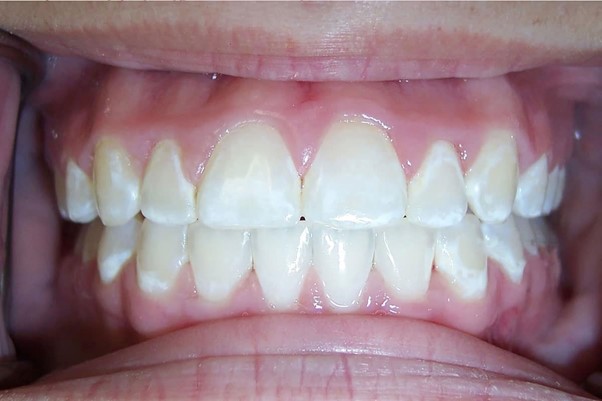
Don’t worry! The white, patchy, streaky, or lined look of teeth after whitening is normal – it’s called enamel demineralization.

Enamel demineralisation is a process where the minerals in the tooth enamel are lost, resulting in weakened and more susceptible teeth. This can occur after whitening treatments due to various factors.

The whitening gel used to whiten teeth professionally (in-chair treatment) is powerful and contains hydrogen peroxide. This softens tooth enamel and dehydrates it, often causing demineralisation in the process.

Dehydration is part of the process as the bleaching gel permeates through the enamel of your teeth to reach the dentin layer below, where the staining and discolouration have occurred over time.  That’s where the gel needs to get to so it can do its work, but as a side effect, it can often cause bright white patches or streaks to show in your teeth and leave them looking less than perfect.

To reiterate, these white streaks after whitening are normal, will disappear as your teeth remineralise and won’t harm your teeth or oral health. So don’t worry – it’s only temporary dehydration causing the white marks.

It’s important to understand that enamel demineralisation is a natural process and doesn’t only happen during whitening. It can be caused or accelerated by natural factors, including poor oral hygiene, excessive consumption of acidic foods and beverages, habits like teeth grinding or clenching, or, in this case, by a teeth whitening procedure.

This is why some people may notice little white streaks in their teeth in the morning or if they haven’t been drinking enough. Of course, the level of streakiness is increased after whitening, but it will go away in a couple of days.

How to get rid of white spots on teeth after whitening: rehydrating tooth enamel

The enamel of your teeth is porous and will naturally soak up the hydration it needs on its own.  However, you can help the process along in a couple of ways.

Drink lots of water

Ensure you stay hydrated by drinking plenty over the next few days, but stay away from coloured liquids and foods.Water is always best, but it’s especially important after whitening to stick to clear liquids only for a few days while the pores in your enamel reseal the barrier. Otherwise, stains can re-enter the dentin layer very easily and undo all the work the whitening treatment just did.

Use a remineralising toothpaste

We recommend using a high-mineral toothpaste such as Sensodyne Repair so that your teeth have an ample supply of the minerals they need to rehydrate properly. This can really help speed up the process.

Most patients report that the white streaks in teeth after whitening are much less visible the next day after treatment and are gone two days later.

What if the white streaks don’t go away?

In rare cases, the white patches or streaks can remain prominent and don’t go away.  If this happens, then there could be another issue at play, like thinning tooth enamel, which would mean the streaks were already present in the tooth enamel before the treatment, and whitening has just made them more noticeable. This issue is something that your dentist will tell you before starting whitening treatment. That’s why a consultation is required for all patients before a whitening appointment can be booked.  We also check for gum recession, thinning enamel or other tooth decay issues that could cause side effects during or after whitening.

Another reason that white lines can appear in teeth is hypo-calcification, a process that usually precedes cavity formation. This is the demineralisation of teeth caused by a bad diet (lots of sugar) and bad dental hygiene. The acid produced by excess bacteria on teeth begins to weaken the enamel, causing white craze lines to develop in the process.

If you’re interested in teeth whitening, don’t hesitate to call our office or ask about it during your next checkup appointment.  It’s important that you are informed about what the treatment entails and that your dentist can check your teeth to make sure teeth whitening is safe for you.

Navigating Periodontal Disease: Gingivitis, Periodontitis, and Effective Care at Green Apple Dental Care

Your Smile Deserves the Best – Serving Sydney CBD and Campsie

Are your gums feeling tender and inflamed? Do you notice bleeding while brushing or flossing? These could be indicators of a prevalent but often underestimated oral health issue – periodontitis. As your trusted oral care partners, Green Apple Dental Care is here to shed light on periodontitis and guide you toward a healthier smile.

Understanding Periodontitis: What You Need to Know

Periodontitis, commonly referred to as gum disease, is a progressive bacterial infection that affects the gums and surrounding structures that support your teeth. It begins with gingivitis, an inflammation of the gums caused by the buildup of plaque – a sticky film of bacteria – on teeth. If left untreated, gingivitis can evolve into periodontitis, leading to more severe symptoms and potential tooth loss.

Periodontitis vs. Gingivitis: Decoding the Difference

As we explore the intricate world of gum health, it’s essential to distinguish between two common oral health conditions: periodontitis and gingivitis. These terms often appear intertwined, but they represent distinct stages of gum disease, each with its own characteristics and implications. At Green Apple Dental Care, we believe that knowledge empowers you to take control of your oral health, so let’s unravel the difference between periodontitis and gingivitis.

Gingivitis: The Initial Warning

Gingivitis serves as the introductory phase of gum disease. It’s characterized by gum inflammation and bleeding, especially during brushing or flossing. The primary culprit behind gingivitis is the buildup of plaque – a sticky film of bacteria – on your teeth. Thankfully, gingivitis is reversible with proper oral care and regular professional cleanings. Maintaining diligent oral hygiene practices can prevent the progression of gingivitis into more advanced stages.

Periodontitis: The Progressive Phase

If gingivitis is left unchecked, it can evolve into periodontitis, which is a more severe and concerning form of gum disease. When it happens, the inflammation spreads to the supporting structures of the teeth, including the bone. This causes pockets to form between the gums and teeth, leading to infection and potential tooth loss. Unlike gingivitis, the damage caused by periodontitis is often irreversible, underscoring the importance of early intervention.

Key Differences

  • Severity: Gingivitis is the milder form of gum disease, often causing only gum inflammation and bleeding. Periodontitis, on the other hand, involves more advanced symptoms, including pocket formation, bone loss, and potential tooth mobility.
  • Reversibility: Gingivitis is reversible with improved oral hygiene practices and professional cleanings. Periodontitis, especially in its advanced stages, may require more intensive treatments and is often not fully reversible.
  • Bone Involvement: Periodontitis affects the supporting bone structures of the teeth, leading to bone loss over time. This aspect sets periodontitis apart from gingivitis.

Your Role in Prevention

Understanding the distinction between these two stages empowers you to take proactive steps in preventing their progression. Consistent oral hygiene routines, including regular brushing, flossing, and professional cleanings, are crucial in keeping both gingivitis and periodontitis at bay. If you notice any signs of gum inflammation, bleeding, or changes in your oral health, seeking prompt dental attention can make a world of difference.

The Urgency of Timely Action

The question on everyone’s mind: How long can you keep your teeth with periodontitis? This question underscores the importance of swift action. If it is left untreated, it can lead to irreversible damage. The longer it progresses, the higher the risk of teeth becoming loose and eventually falling out. The urgency here lies in preserving your natural smile through early intervention.

Reversibility of Periodontitis

Early detection is key when it comes to reversing periodontitis. In its initial stages, the damage caused by gingivitis can be halted and even reversed with proper dental care. However, once it sets in, the damage to the bone and supporting structures becomes more challenging to undo. This emphasizes the need for proactive dental care and regular check-ups.

Exploring Natural Remedies

While maintaining good oral hygiene is essential, it’s important to note that advanced periodontitis often requires professional intervention. Nevertheless, adopting a healthy lifestyle, which includes a balanced diet rich in vitamins and minerals, can contribute to overall gum health. Consult with our dental experts to learn how to complement professional treatment with natural practices.

Effective Treatment Approaches

At Green Apple Dental Care, we are dedicated to providing tailored treatment plans for periodontitis. Our skilled dental professionals employ a multifaceted approach, beginning with a thorough examination of your oral health. Depending on the severity of the condition, treatments may include deep cleaning (scaling and root planning), medication, surgical procedures, and ongoing maintenance.

The Fear of Tooth Loss

One of the pressing concerns when it comes to periodontitis is tooth loss. While periodontitis can lead to tooth loss if not managed properly, rest assured that early detection and appropriate treatment significantly reduce this risk. Our team is committed to helping you preserve your teeth and maintain a confident smile.

Can Periodontitis Be Cured?

While advanced periodontitis may not be completely cured, it can be managed effectively. Our dental professionals work closely with you to develop a comprehensive treatment plan that aims to control the infection, restore gum health, and prevent further damage.

The Role of Dental Professionals

Yes, dental professionals play a crucial role in diagnosing and treating periodontitis. Our experienced team at Green Apple Dental Care, equipped with the latest techniques and technology, is prepared to assess your condition, design personalized treatment strategies, and provide the care you need to regain optimal oral health.

Deep Cleaning’s Impact

Deep cleaning, also known as scaling and root planing, is a cornerstone of periodontal treatment. This procedure involves removing tartar and plaque from below the gumline, helping to eliminate infection and promote healing. While it’s a vital step, severe cases of periodontitis may require additional treatments to address advanced damage.

Hope for Early Periodontitis

The good news is that early periodontitis can indeed be reversed with prompt and appropriate care. Regular dental visits, professional cleanings, and consistent oral hygiene practices can prevent the progression of the disease and allow your gums to heal.

At Green Apple Dental Care, we’re not just about treatments; we’re about crafting healthier, more confident smiles. Our Sydney CBD and Campsie branches are here to offer guidance, treatments, and support on your journey toward gum health. Don’t let periodontitis steal your smile – schedule an appointment today and take a step closer to a brighter, healthier future. Your smile deserves nothing less!

Learn more about our services.