One of the best ways to limit the number of dental treatments is to keep good oral health at home. Good oral health can help to decrease the chance that dental treatment other than general preventive care is required.
3 simple steps to prevent tooth decay
Tooth decay is a disease that is strongly related to what we eat and drink. It is one of the most common disease in Australia, affecting people of all ages.
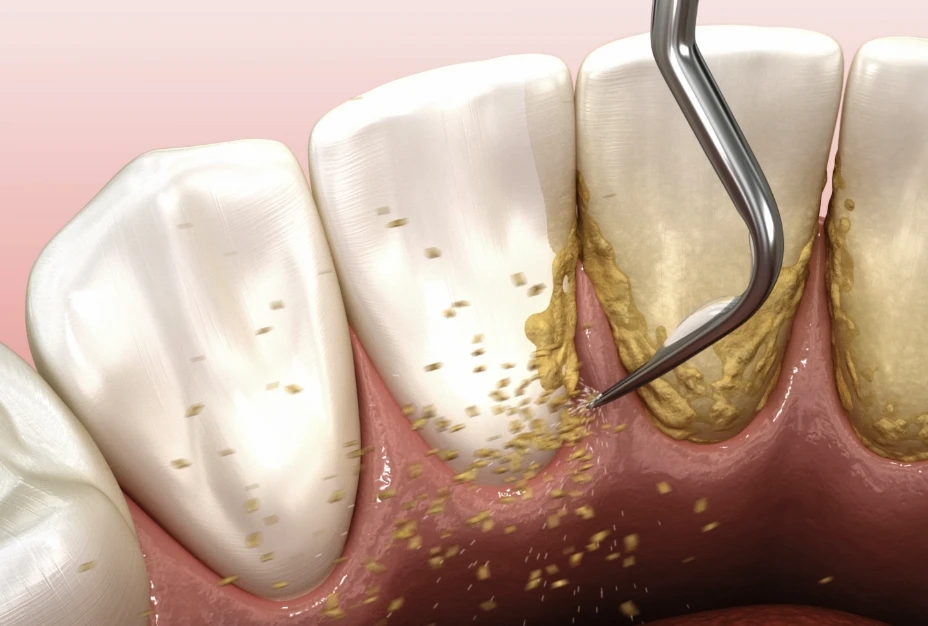
Millions of bacteria live inside the mouth. The acid created by the bacteria attacks the surface of the teeth. It causes the minerals inside the tooth enamel to dissolve. This process is known as demineralisation. The minerals being removed from the tooth surfaces causes it to weaken. This process happens every time we consume foods or drinks with sugar as an ingredient.
If these acid attacks occur repeatedly and not enough protection is provided to the teeth, over time this can lead to the development of tooth decay. Factors such as saliva and fluoride help to protect the teeth by neutralizing the acids and replacing the minerals back into the tooth’s surface. This is a process known as remineralisation.
1. Brush twice per day using a fluoride toothpaste; clean between the teeth daily using floss or interdental brushes.
The bacteria that cause tooth decay are particularly worse if they are allowed to grow on your teeth for a while. That is why it is important to regularly brush your teeth twice a day to stop the bacteria getting out of control. Make sure you use a fluoride toothpaste, as fluoride makes a big difference by strengthening and repairing our teeth, and make sure you are reaching all the surfaces of your teeth when brushing.
2. Eat a healthy, balanced diet that is low in added sugar.
Sweet treats such as cakes, biscuits, and lollies that contain sugar are well known foods that can increase your risk of developing tooth decay.
However, many foods that are often thought of as healthy can contain a lot more sugar than we expect. Watch out for sugars hidden in foods such as breakfast cereal, bread and pre-made sauces. It is not just white or brown sugar that is of concern; there are multiple forms of sugar that can contribute to tooth decay, including honey and syrups. Sugary drinks including soft drinks, energy drinks, cordial and fruit juice also increase the risk of tooth decay.
Repeatedly snacking on these foods and/or frequently sipping on sugary drinks can do the greatest damage to the teeth. This is because the teeth are exposed to the sugar repeatedly and frequently and the teeth do not have time to recover after each exposure.
While it is hard to completely avoid sugar in your diet, there are some healthy habits for when you have sugary foods or drinks. Try to have them at a mealtime when there is more saliva in your mouth. Saliva helps to prevent tooth decay by washing away some of the sugars and acids, and by keeping bacteria under control. It can also repair the damage caused by acids on the tooth surface. Drink water or plain milk to rinse out your mouth as soon as possible after having sugar.
Tooth-friendly foods and drinks
- Fresh fruits and vegetables (whole, not juiced), especially crunchy vegetables such as celery and carrot which get your saliva flowing.
- Unsweetened dairy products such as cheese and milk contain calcium that is very good for preventing tooth decay.
- Water is the best drink, but unsweetened tea or coffee with milk can also be a tooth-friendly option.
- Sugar-free chewing gum is also helpful to produce saliva but not a good idea if you have any jaw issues.
- Tap water is a tooth-friendly drink as in 89% of Australian communities, the community water supply has fluoride added to an optimum level to help protect and strengthen teeth.
3. Have a dental check-up at least once per year so that any conditions can be detected and treated early.
Quite often you may be unaware you have tooth decay, and it may only be visible to a dentist or on a dental x-ray. When you feel pain, a cavity has been going through the tooth for quite a while. It may require more complex treatments, or even removal of the tooth.
Visiting a dentist for a check-up regularly makes sure tooth decay is detected early, which can reduce the amount of treatment you need and make sure you can prevent decay in the future.
How tooth erosion occurs
Tooth erosion is the loss of tooth structure (enamel and/or dentine) that is dissolved from contact with acids. These sources of acid can come from within the body, such as stomach acid from reflux or vomiting, or from outside the body such as foods and drinks. Frequent acid contact for long periods of time increases the risk and wear of the teeth.
Tooth erosion is the result of an individual’s diet and oral hygiene habits adding up over time. The wear process occurs in two stages.
- Erosion – acids that coat the surface of the teeth remove minerals from inside the tooth structure. This causes the outside tooth surface to become softened.
- Wear – the softened and weakened tooth surfaces are worn away by forces rubbing on the teeth, such as the other teeth.
Tooth erosion most commonly occurs on the top, biting surfaces (known as occlusal surfaces) and inside surfaces of teeth. The inside surfaces are particularly affected when the acid source comes from within the body.
Tooth erosion can negatively affect the health and appearance of the teeth. Affected teeth can become increasingly sensitive, such as to hot and cold temperatures. As well, teeth can visually appear shorter with sharper edges due to the tooth structure being worn away. The tooth surfaces that are worn away can become thin and easily chip or fracture. When multiple or all teeth are severely worn, this can affect how the teeth bite together.
Once tooth enamel is worn away, the tooth can appear darker as the inside dentine layer becomes visible through the thin enamel. Dentine is yellowish-brown in colour, so this makes the overall appearance of the teeth appear darker.
Tooth structure that is worn away can only be replaced by a dentist using treatments such as fillings or crowns.